

Meta's 2% UK location fee starts 1 July: what to change
Update — 4 July 2026: the 1 July start date has now passed. On Meta's announced timeline the 2% fee is live, so it is no longer something to prepare for — it is already sitting on your UK-audience delivery and understating your reported cost-per-result. If you haven't switched your source of truth to the billing hub yet, do it now and re-check the first billed week.
From 1 July 2026, Meta adds a 2% location fee to every ad delivered to a UK audience, a pass-through of the UK Digital Services Tax it absorbed until now (Reuters). The charge sits on top of your spend and shows only on invoices and the billing hub, never in Ads Manager. So your reported cost-per-result holds steady while your real cost rises 2%. Reconcile against billing before 1 July.
What is Meta’s 2% UK location fee?
It is a 2% surcharge Meta applies to ad delivery reaching a UK audience, charged on top of your media spend from 1 July 2026 (Reuters). The fee is set by where your audience sits, not where your business is registered, so a UK store advertising to UK shoppers pays it regardless of company location (Webtopia).
It passes on the UK Digital Services Tax, a 2% levy on revenues large platforms earn from UK users, in force since 1 April 2020 under the Finance Act 2020 (legislation.gov.uk). Meta absorbed that cost for six years; from July it passes it to advertisers, the same move Google made in 2020.
Where does the fee show up, and why is that the catch?
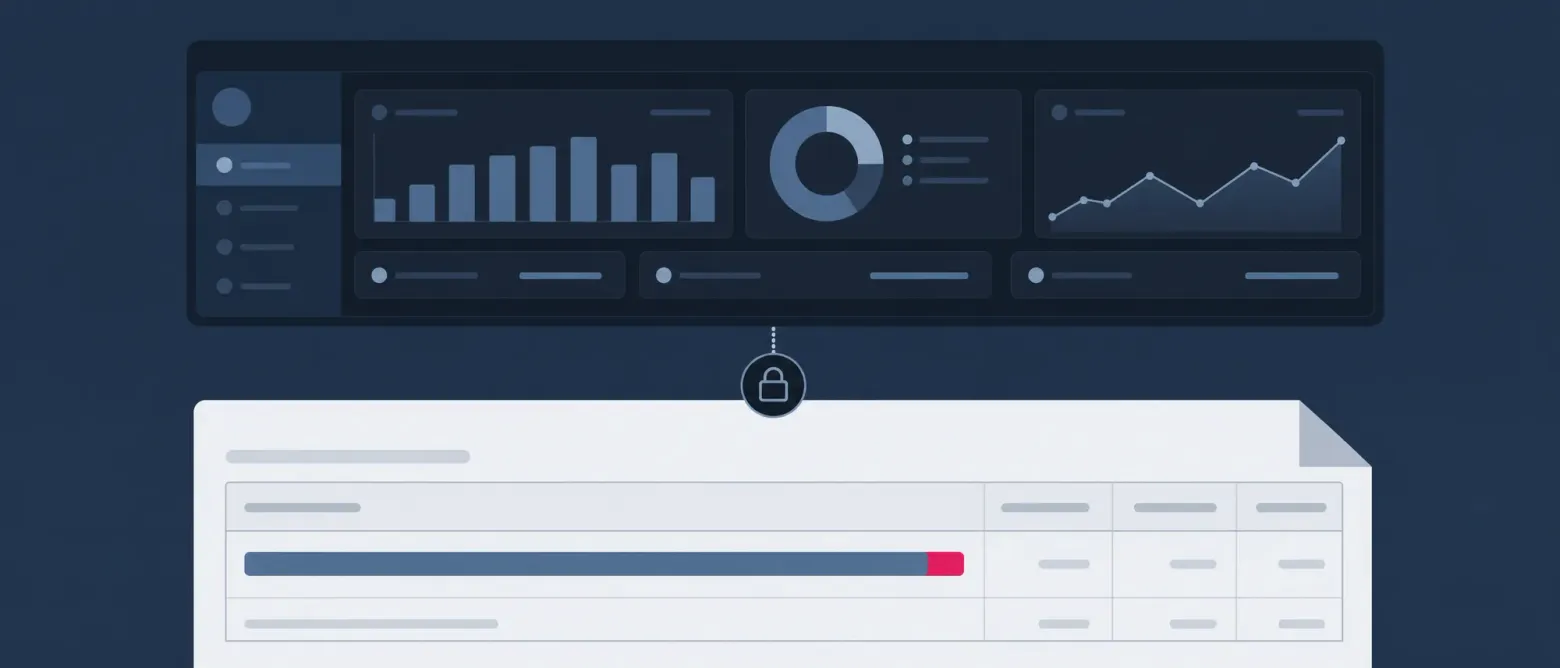
The fee never appears in Ads Manager. It is added as a separate line item after delivery and shows only on your invoice and in the Meta billing hub, broken down by jurisdiction (Webtopia). Campaign reporting, cost-per-result and any API or export pull keep showing base spend only (TDMP).
That gap is the catch. The fee is not deducted from your budget, so a £1,000 UK budget still buys £1,000 of delivery and adds £20, for a £1,020 invoice (Ayko). Your dashboard ROAS and CPA look unchanged while your real numbers move 2% against you. Optimise to Ads Manager figures and you are working from a cost that is quietly out of date.
The catch in one line. The 2% fee never appears in Ads Manager, only on your invoice and in the billing hub, so your reported CPA and ROAS stay flat while your real cost rises from 1 July.
How much does 2% actually cost, and how does it compare?
On UK-audience delivery, 2% is the rate. Enter your own monthly UK ad spend below to see the location fee Meta adds on top, and what it adds up to across a year.
A £5,000 monthly budget carries a £100 fee on top, or £1,200 a year, none of which shows in Ads Manager. Meta’s rate varies by audience country. The UK is at the lower end of the schedule Meta published (Reuters).
| Audience country | Meta location fee |
|---|---|
| United Kingdom | 2% |
| France | 3% |
| Italy | 3% |
| Spain | 3% |
| Austria | 5% |
| Turkey | 5% |
Advertise across these markets and your blended fee depends on the audience split, not a single headline rate (Webtopia).
What should a UK Shopify advertiser change first?
Switch your source of truth for spend from Ads Manager to the billing hub, then rebuild your true cost-per-acquisition and ROAS on the higher number. This is the same kind of analytics and tracking setup discipline that keeps marketing reports honest. For UK-only spend, divide media-derived figures by 1.02; for mixed-market accounts, weight by audience share. Do this before 1 July so the first billed week does not surprise your margin maths.
Then reconcile the billing hub against your Ads Manager export each month, and revisit any break-even or target-ROAS rule, because a 2% lift on cost narrows the margin on thin-product campaigns first. This is the same measurement hygiene that underpins how stores get found in AI-led shopping, which we cover in our guide to agentic commerce for UK Shopify stores, alongside the wider 2026 shift in what Shopify’s Spring ’26 Edition opened up.
Where to start
The fee is small per pound and easy to miss, which is exactly why it distorts decisions made on Ads Manager numbers. Fix your cost model before the first invoice lands.
Where to start
We will rebuild your true CPA and ROAS against billed spend, so your budget calls hold up after 1 July.
Frequently asked questions
Does the 2% fee come out of my campaign budget?
No. Meta adds the fee on top of your spend after delivery, so a £1,000 UK budget buys £1,000 of ads and then bills £20 more, for a £1,020 total. Your campaign still spends its full budget. The fee is a separate charge that appears on the invoice and in the billing hub, not a deduction from your daily or lifetime cap.
Why is Meta charging this now?
The fee passes on the UK Digital Services Tax, a 2% levy on UK-derived platform revenue in force since 1 April 2020. Meta absorbed the cost for six years and, from 1 July 2026, passes it to advertisers, describing the change as aligning "with industry standards". Google made the same move in 2020.
Does the fee depend on where my business is based?
No. Meta sets the fee by where your audience is located, not where your business is registered. A UK-registered store advertising to French shoppers pays France's 3% on that delivery; a non-UK business advertising to UK shoppers still pays the UK's 2%. For mixed-market accounts, your effective rate is a weighted blend of audience countries.
- Meta to charge advertisers a fee to offset Europe's digital taxes
- Meta Introduces Location Fees on Ads Delivered to UK and EU Audiences from 1 July 2026
- July 2026 Meta Location Fees for Ads - Explained
- What Advertisers Need to Know About Meta's 2% UK Location Fee
- Digital Services Tax (Finance Act 2020, Part 2)
- Digital Services Tax review report